Know it · 5 min read
Sensory-friendly sessions, explained: cinemas, museums and more
Relaxed performances, quiet hours and sensory-friendly sessions are popping up everywhere. What they actually mean, and how to find one near you.
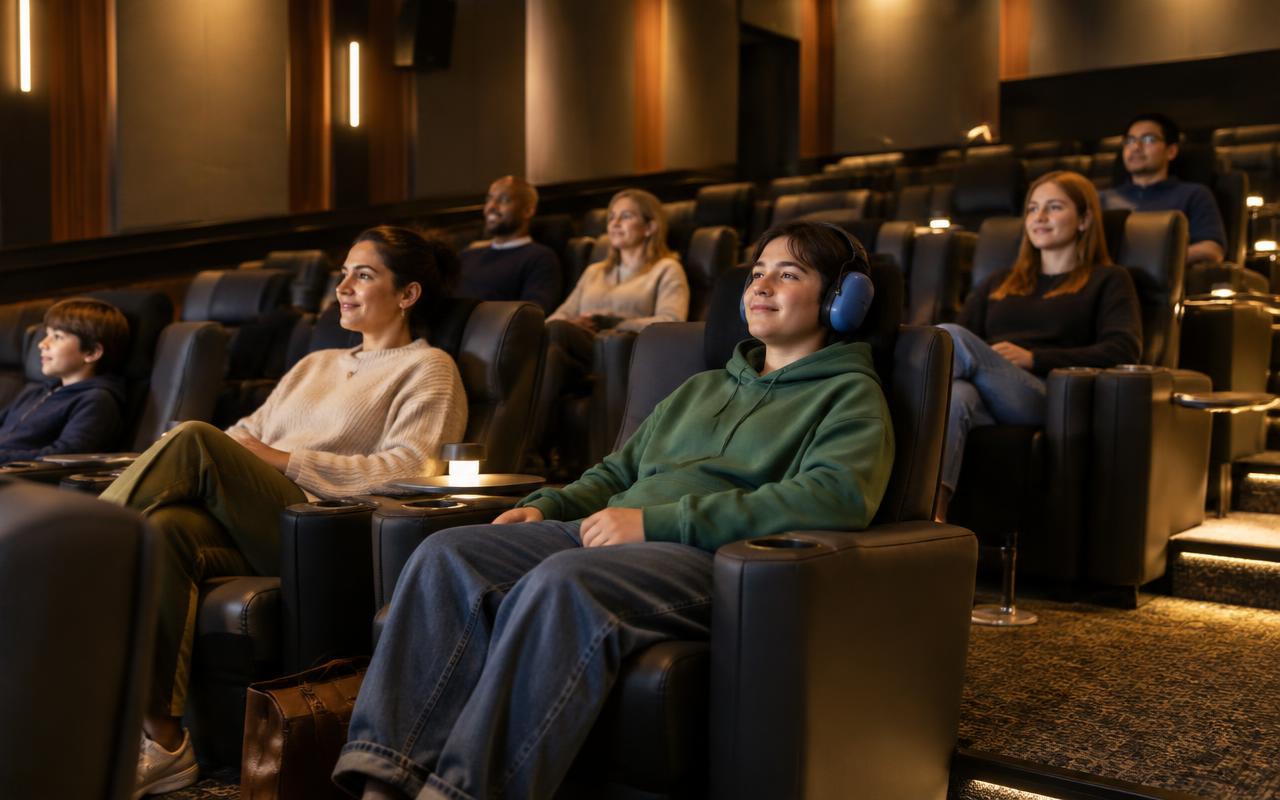
“Sensory-friendly”, “relaxed” and “quiet session” all describe the same idea: a version of an experience adjusted so more people can enjoy it. The lights stay up a little, the sound comes down, and nobody minds if you move, stim or take a break.
What changes in a relaxed session
It depends on the venue. Cinemas often lower the volume and keep dim lighting on. Museums may reduce crowd numbers and turn off noisy exhibits. Theatres running relaxed performances allow audience members to come and go freely, and provide quiet breakout areas.
Quiet hours at shops and centres
Many shopping centres now run weekly quiet hours — music off, lights softened, no announcements. These are designed for anyone who finds the usual environment too much, and they're usually free to attend with no booking.
How to find them
Look for a “Best time to go” section on place pages, or search Can We Go for sensory sessions and quiet hours in your city. Sessions change with school terms and seasons, so always check the venue's own page for current times.
Before you go
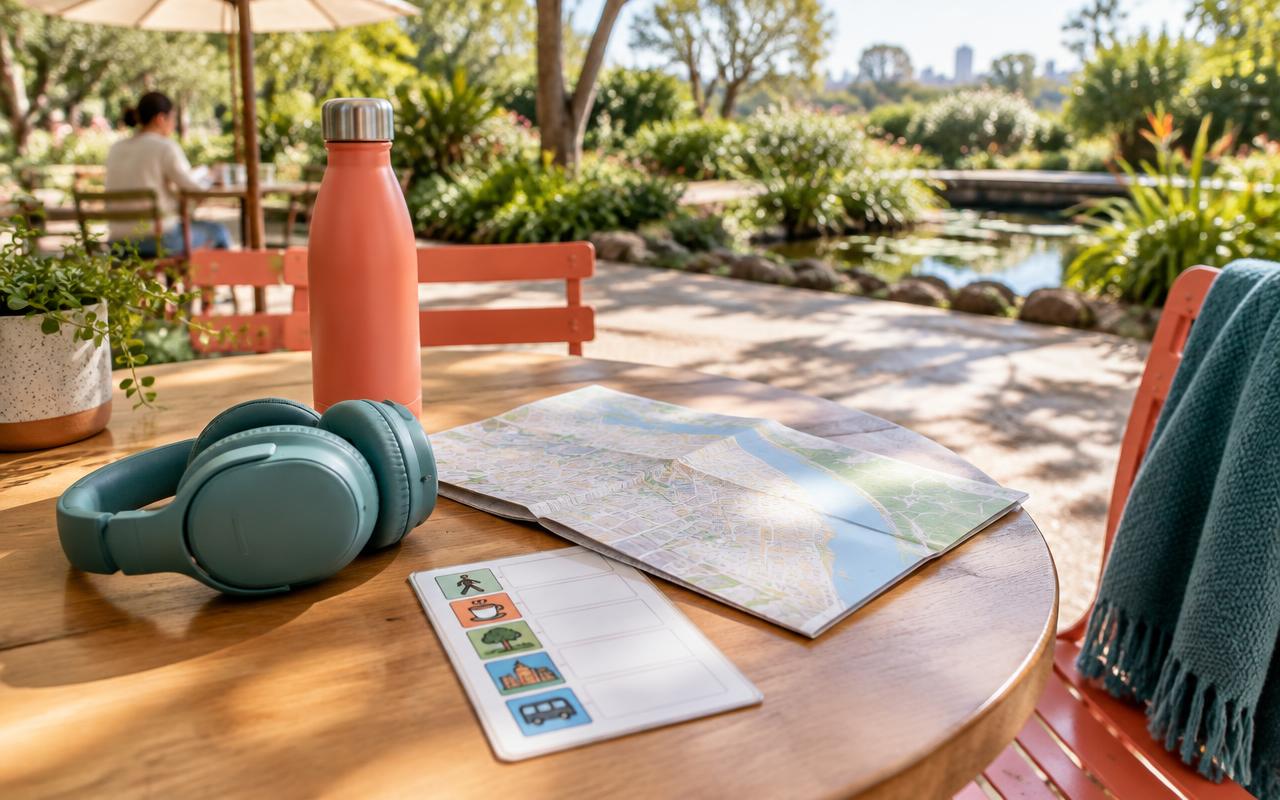
Many venues publish social stories or visual schedules for their relaxed sessions — a step-by-step picture guide to what will happen. These are gold for first visits.
Information may change. Check with the venue if a feature is essential to your visit.
Find somewhere to go