Travel · 5 min read
Quiet rooms and sensory spaces at airports: a traveller's guide
Airports are loud, bright and unpredictable. A growing number now offer quiet rooms and sensory spaces — here's how to find and use them.
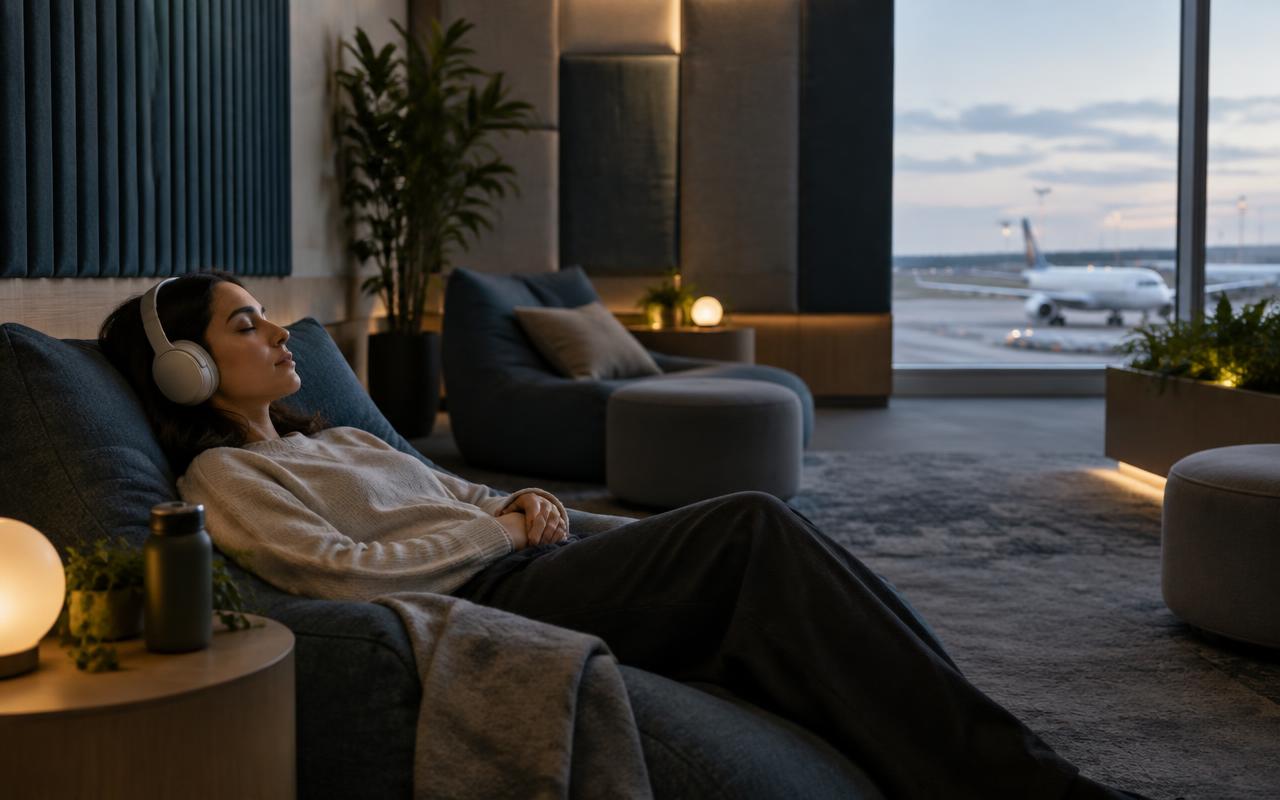
For many autistic travellers, people with sensory processing differences, and anyone who finds crowds overwhelming, the airport is the hardest part of the trip. The good news: quiet rooms and sensory spaces are appearing at airports across Australia and around the world.
What an airport quiet room usually offers
Low lighting, reduced announcements, comfortable seating, and sometimes sensory equipment like bubble tubes or textured panels. Some are bookable; most are free and first-come, first-served. Locations vary — some are before security, some after — so check the airport's accessibility page before you fly.
Hidden Disabilities Sunflower lanyards
Many airports recognise the Sunflower lanyard scheme, which quietly signals to staff that you may need extra time or support. You can usually pick one up free at the airport or order one in advance.
Plan the whole journey
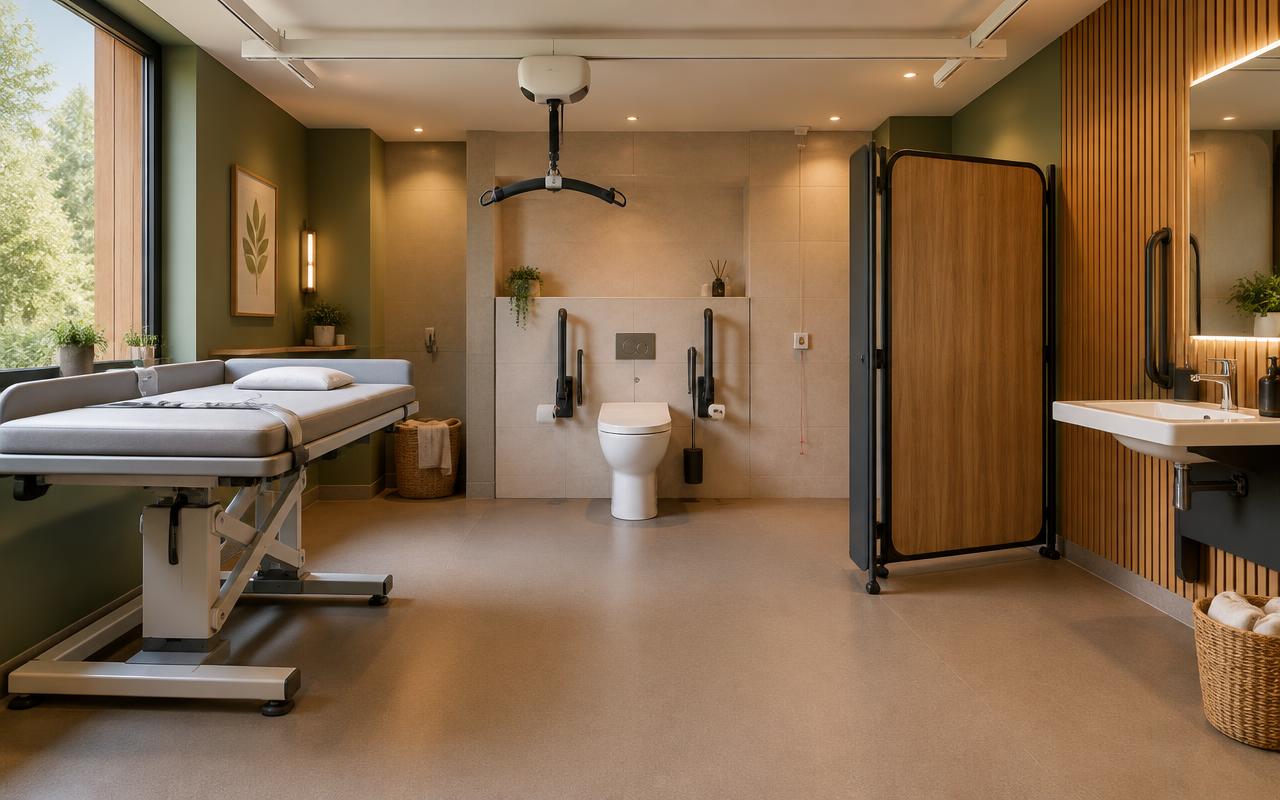
A quiet room helps most when the rest of the trip is planned too: check-in online to skip queues, ask about priority boarding, and find out where the accessible toilets and adult change facilities are in your terminal.
Find them before you fly
Search Can We Go for airport quiet rooms and sensory spaces. Each listing shows where the information came from and when it was last checked.
Information may change. Check with the venue if a feature is essential to your visit.
Find somewhere to go