Travel · 6 min read
Accessible travel in Australia: where to start
From beach wheelchairs to quiet rooms, accessible travel in Australia is easier to plan than ever — if you know where to look for reliable information.
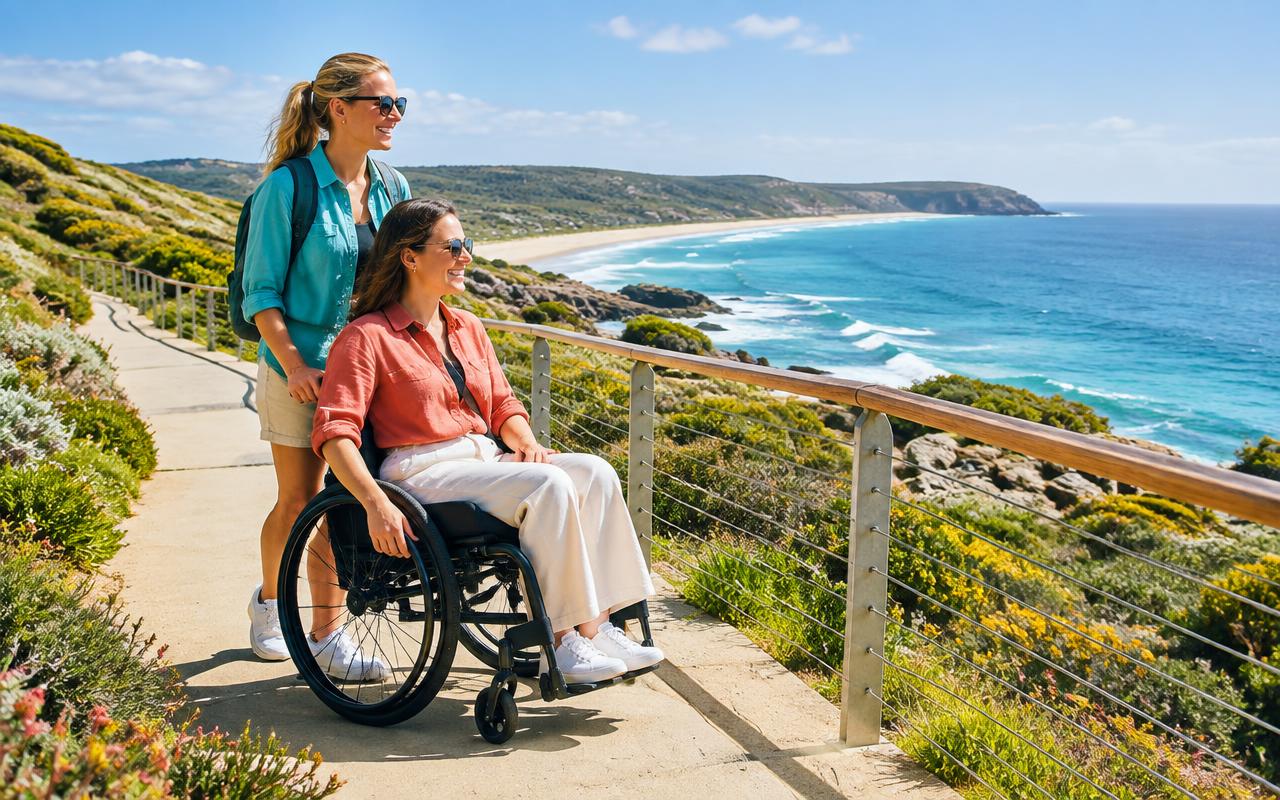
Australia is full of brilliant places to go, but finding out whether a beach, museum, hotel or national park actually works for you has traditionally meant hours of phone calls and guesswork. Accessible travel starts with one thing: information you can trust.
Start with access features, not star ratings
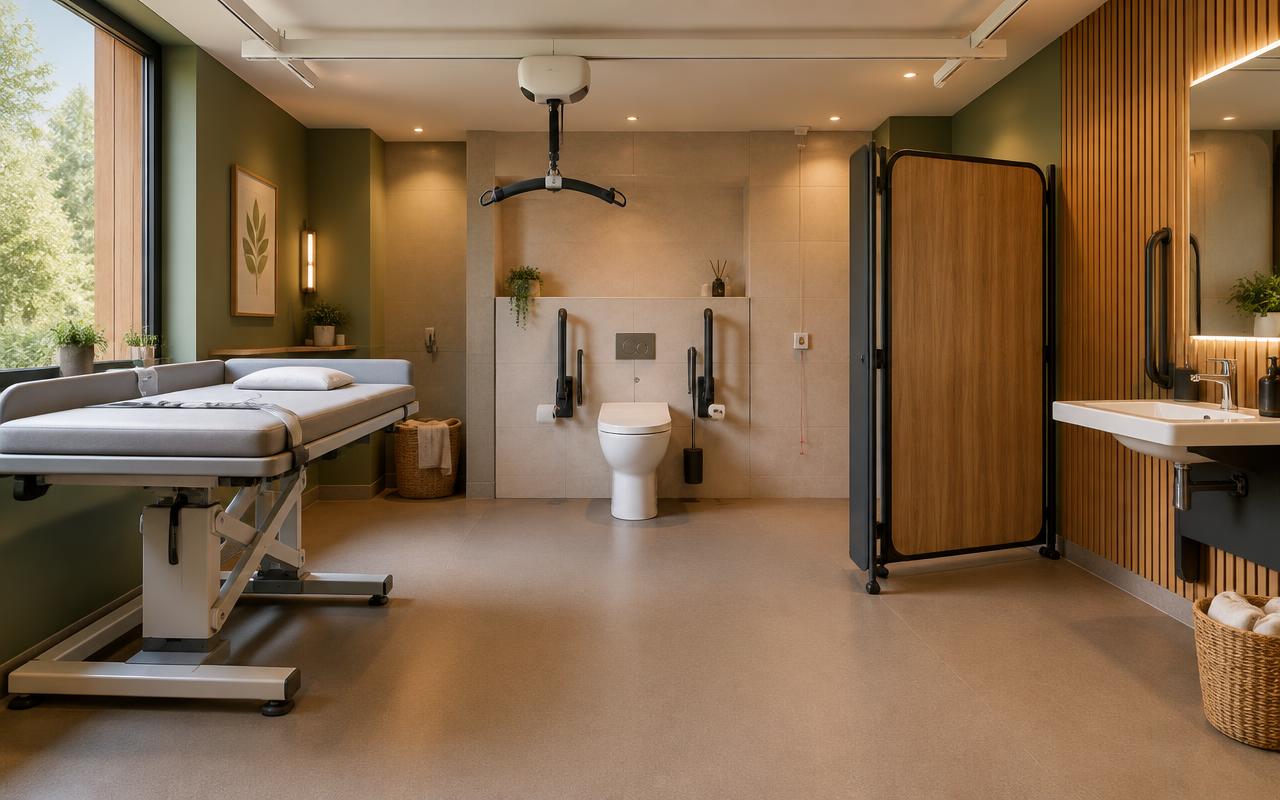
A five-star hotel review tells you nothing about whether the bathroom has grab rails. When planning accessible travel in Australia, look for places that list specific features: step-free entry, accessible toilets, beach wheelchairs, quiet rooms, hearing loops. Vague words like “accessible” mean little without the detail behind them.
Cities doing it well
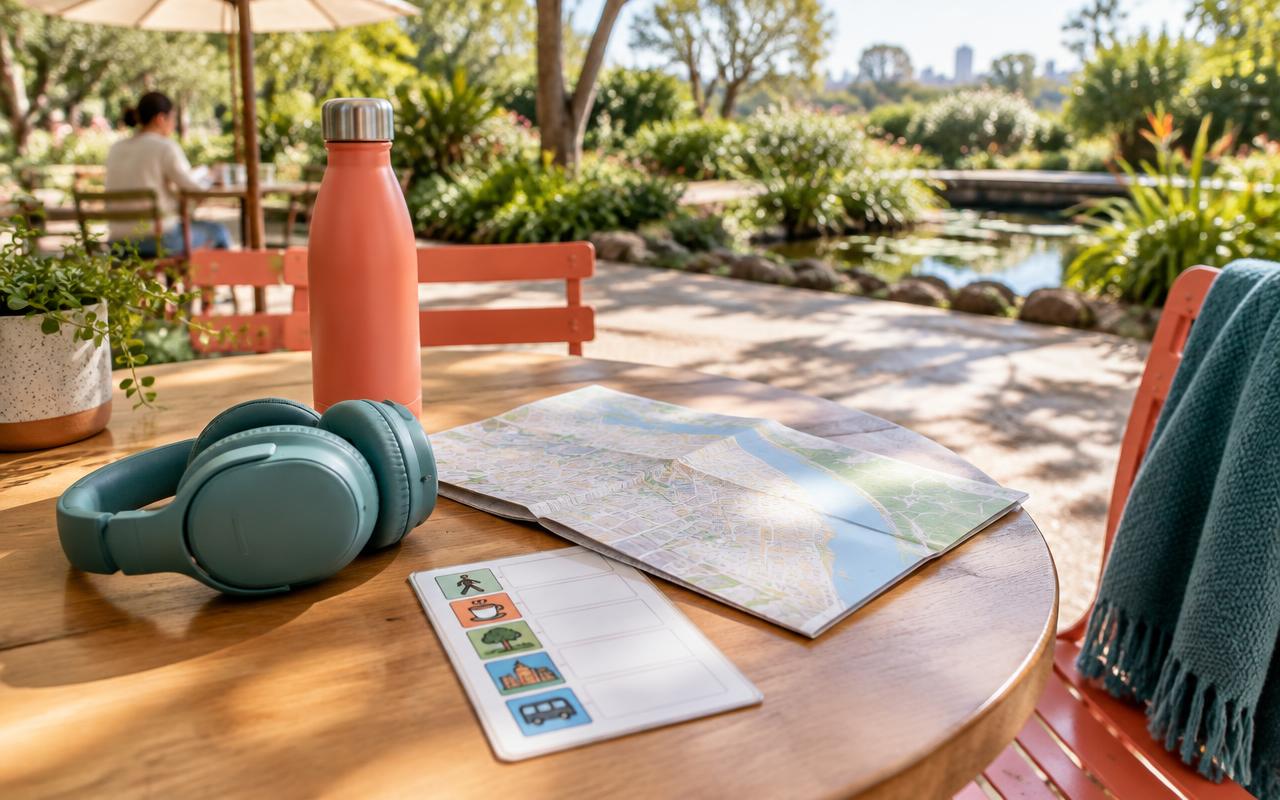
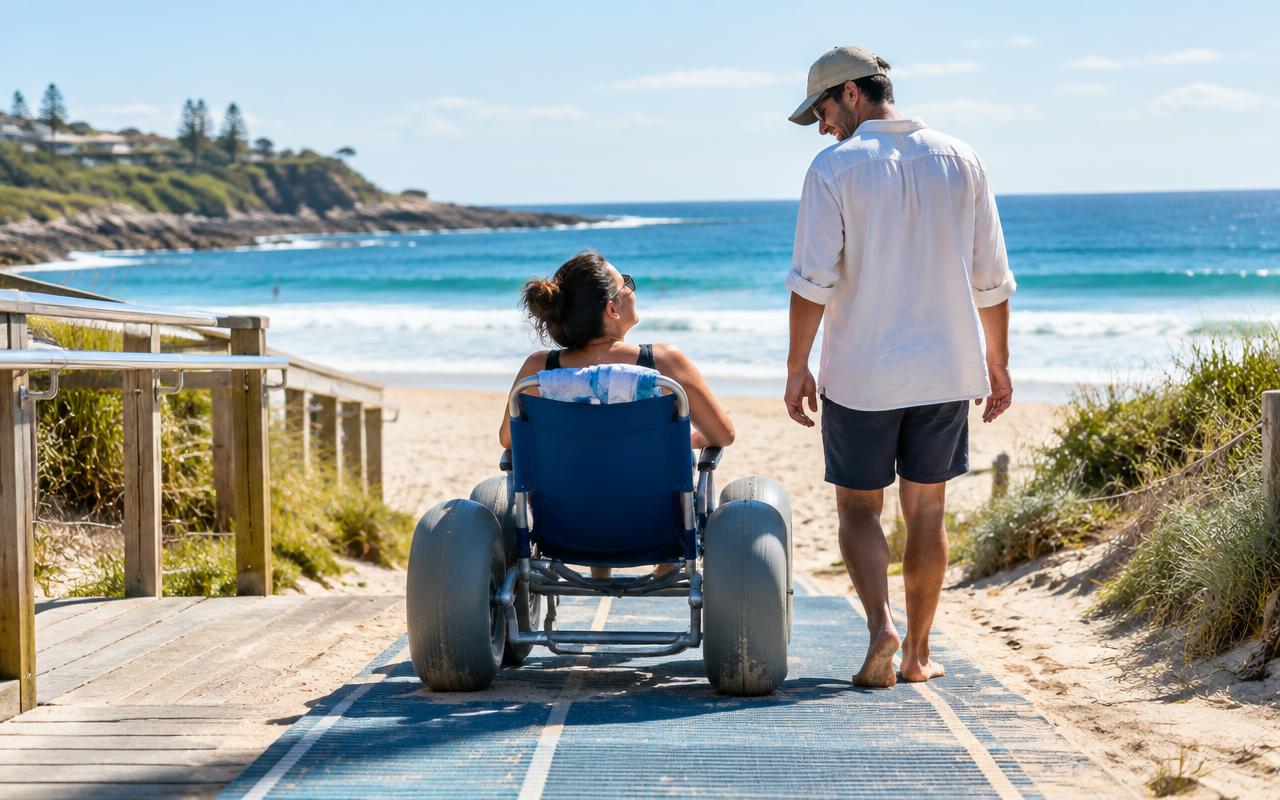
Sydney, Melbourne, Brisbane and the Gold Coast all have growing lists of accessible attractions. Many major museums and galleries offer sensory maps, Auslan-interpreted tours and quiet hours. Councils across the country now lend beach wheelchairs, and most capital cities publish accessibility guides for their public transport networks.
Check the source and the date
Access information goes stale. A hoist that was there in 2022 might be out of service today. Whenever you plan, look for information that names its source and shows when it was last checked — and if a feature is essential to your trip, confirm it directly with the venue.
Build your shortlist
Search Can We Go by city and by the features that matter to you. Save places to your account, group them into a plan, and share it with the people coming with you.
Information may change. Check with the venue if a feature is essential to your visit.
Find somewhere to go