Arts & culture · 5 min read
Accessible museums and galleries: what to look for before you visit
From sensory maps to Auslan tours and audio description, Australia's museums and galleries are opening up. How to find the ones that work for you.
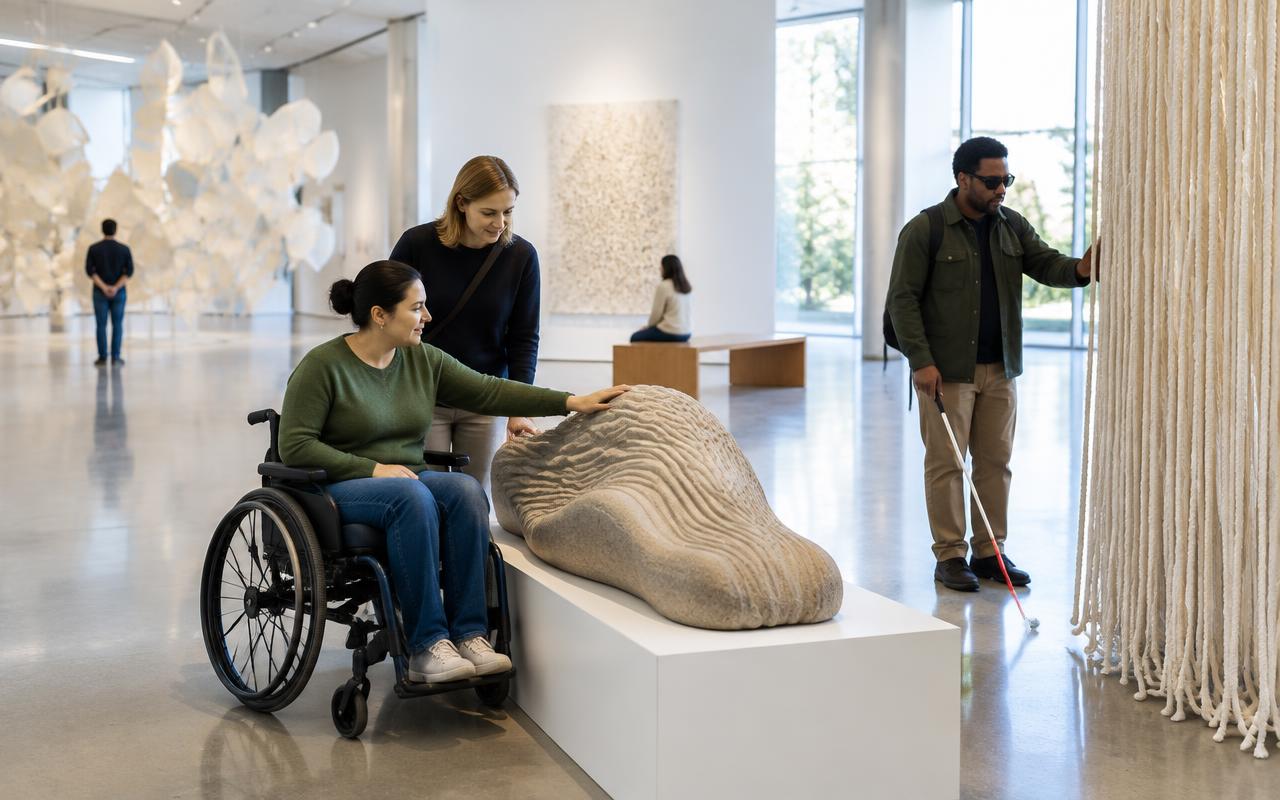
Museums and galleries are often among the most accessible places in any city — free or cheap entry, level floors, lifts, and increasingly, programs designed for visitors with disability. But what's on offer varies enormously, so it pays to check before you go.
Physical access
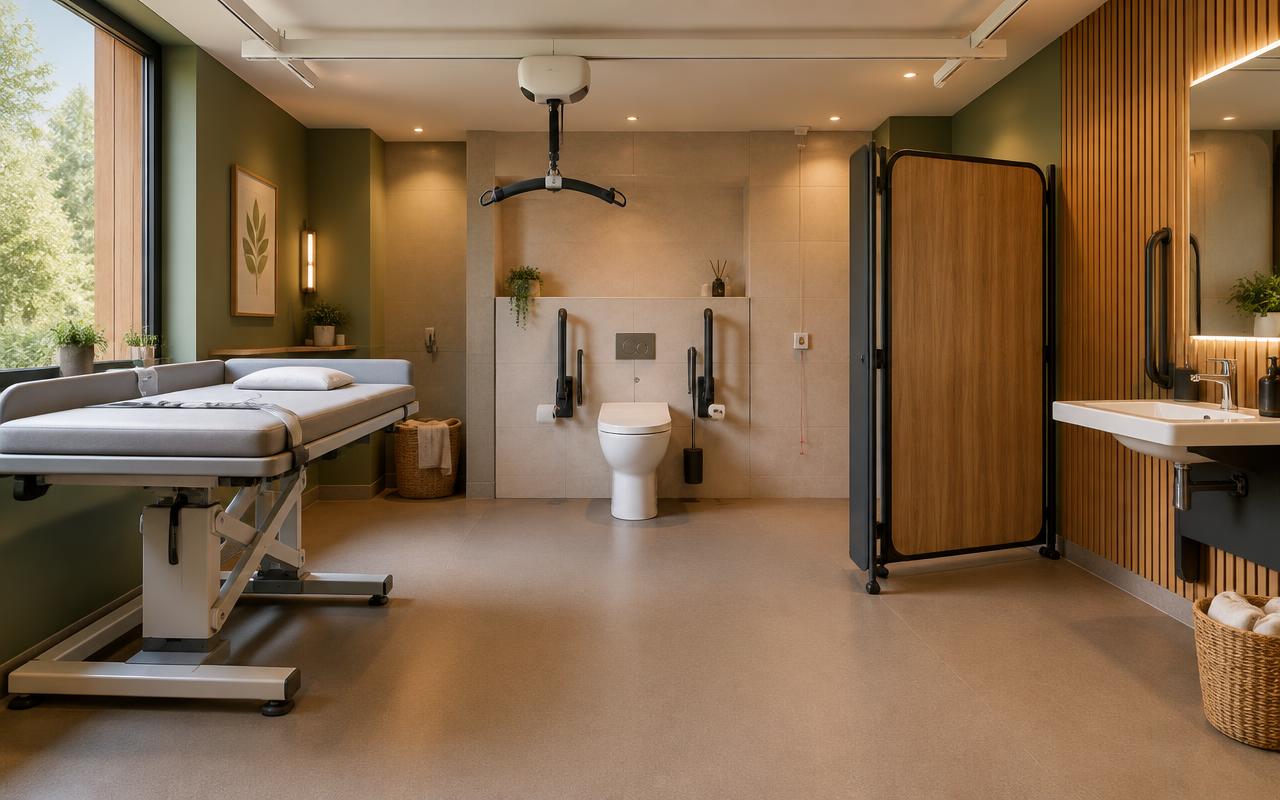
Look for step-free entry, lifts to all floors, accessible toilets, wheelchair loan, and seating throughout the galleries. Most major institutions publish an accessibility page — search Can We Go and follow the source link to read it.
Sensory access
Sensory maps show which galleries are loud, bright or crowded. Quiet hours and low-sensory sessions are increasingly common, especially at science centres and children's museums. Some venues lend sensory kits at the front desk.
Communication access
Auslan-interpreted tours, captioned videos, hearing loops at talks, audio-described tours for blind and low-vision visitors, and large-print or Braille guides are offered by many major institutions — usually on specific dates, so check the events calendar.
Carer entry
Many museums and galleries offer free entry for a companion or carer. Look for Companion Card acceptance in the access information on each listing.
Information may change. Check with the venue if a feature is essential to your visit.
Find somewhere to go