Plan it · 6 min read
Accessible day out checklist: 12 things to check before you leave home
Use this accessible day out checklist to cover parking, toilets, step free access, sensory needs, opening hours and backup plans before you head out.
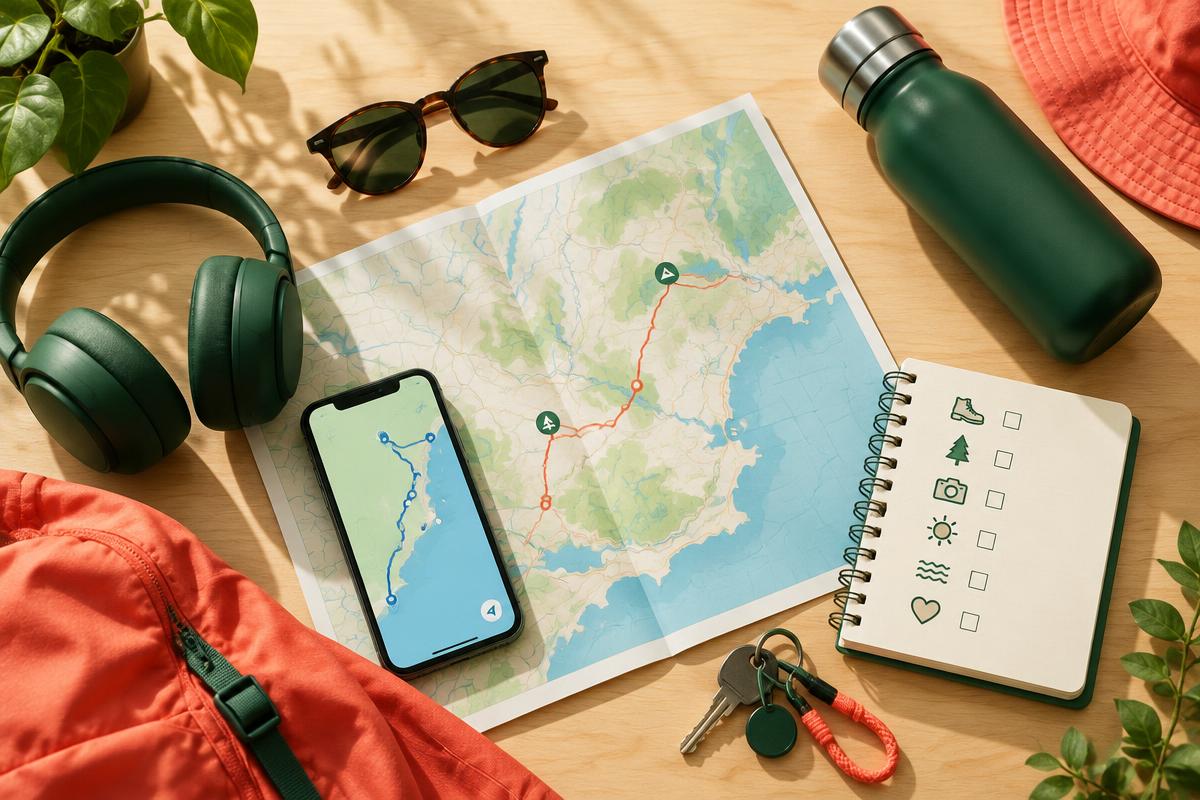
An accessible day out does not need a complicated plan. It just needs the right information. This accessible day out checklist covers the practical details that are easiest to forget and hardest to solve once you are already there.
1. Entrance
Is the entrance you will use step free? If there is a separate accessible entrance, do you need staff assistance to open it?
2. Parking or drop off
Where are the accessible bays, and how far are they from the entrance? Is there a safe drop off point if someone needs to be closer?
3. Toilets
Is there an accessible toilet? If you need a Changing Places facility, confirm the location, opening hours and access method.
4. Internal routes
Check lifts, ramps, door widths and whether all the areas you want to use are connected by an accessible route.
5. Seating and rest points
Know where you can sit, wait or take a break, especially at large venues and outdoor attractions.
6. Noise and lighting
If sensory conditions matter, check the quietest time to visit, whether music or announcements are used and whether a calm space is available.
7. Queues
Find out whether there is an alternative queue arrangement, priority access or somewhere to sit while waiting.
8. Companion or carer entry
If you use a Companion Card or similar scheme, confirm the booking process before purchasing tickets.
9. Food and medication
Check whether you can bring your own food, water or medication and whether there is somewhere suitable to use or store what you need.
10. Transport
Confirm the accessible route to and from the venue, including the final section from the station, stop or car park.
11. Opening hours and current information
Access information can change. Check the source and the date, especially for equipment, lifts, beach matting and temporary programs.
12. Plan B
Save one nearby alternative. If the first place is unexpectedly busy or a feature is unavailable, you still have somewhere to go.
Information may change. Check with the venue if a feature is essential to your visit.
Find somewhere to go